
MUSTAFA İÇİL
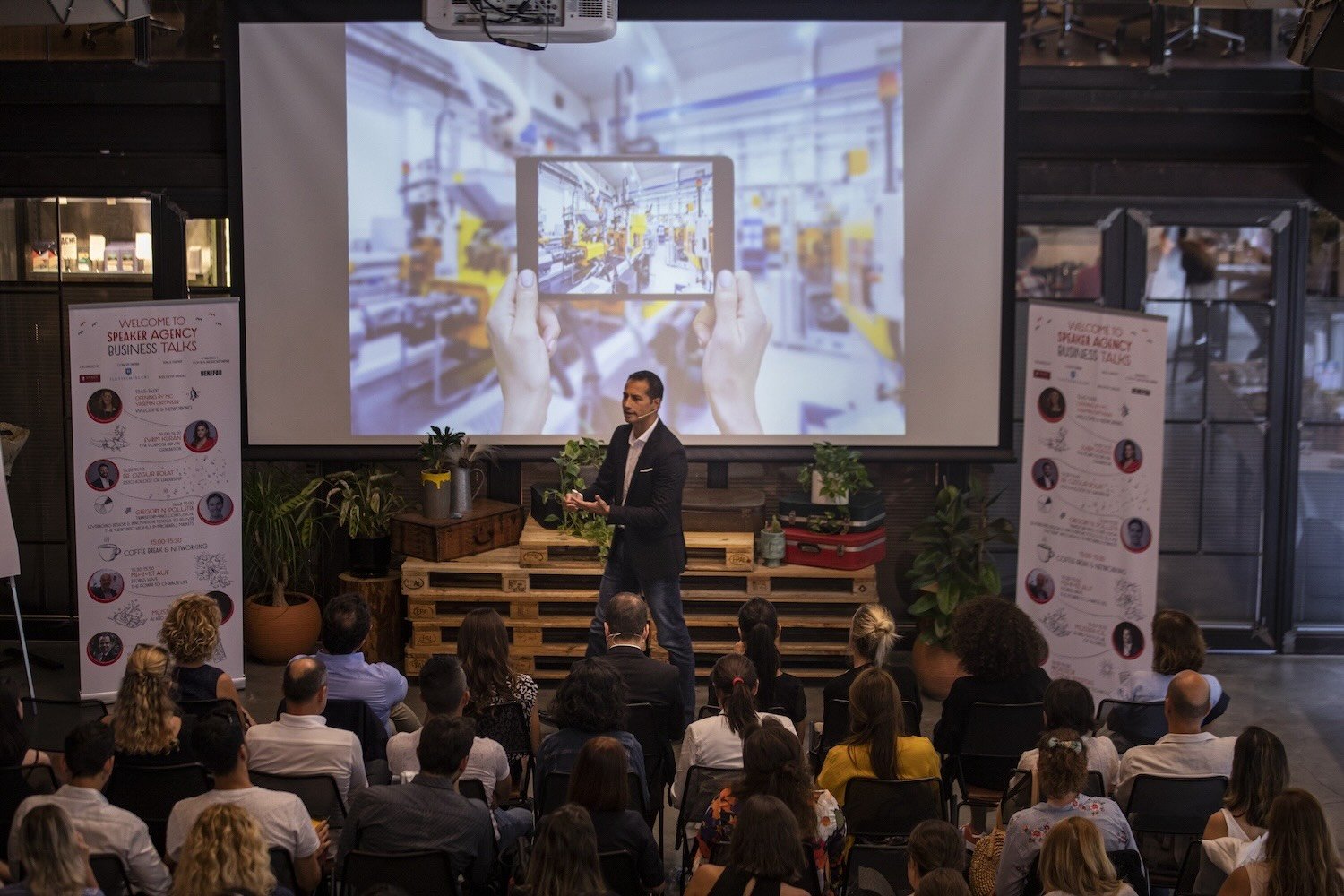
KEYNOTE SPEECHES

TRAINING & WORKSHOPS

STRATEGIC CONSULTING
MUSTAFA İÇİL
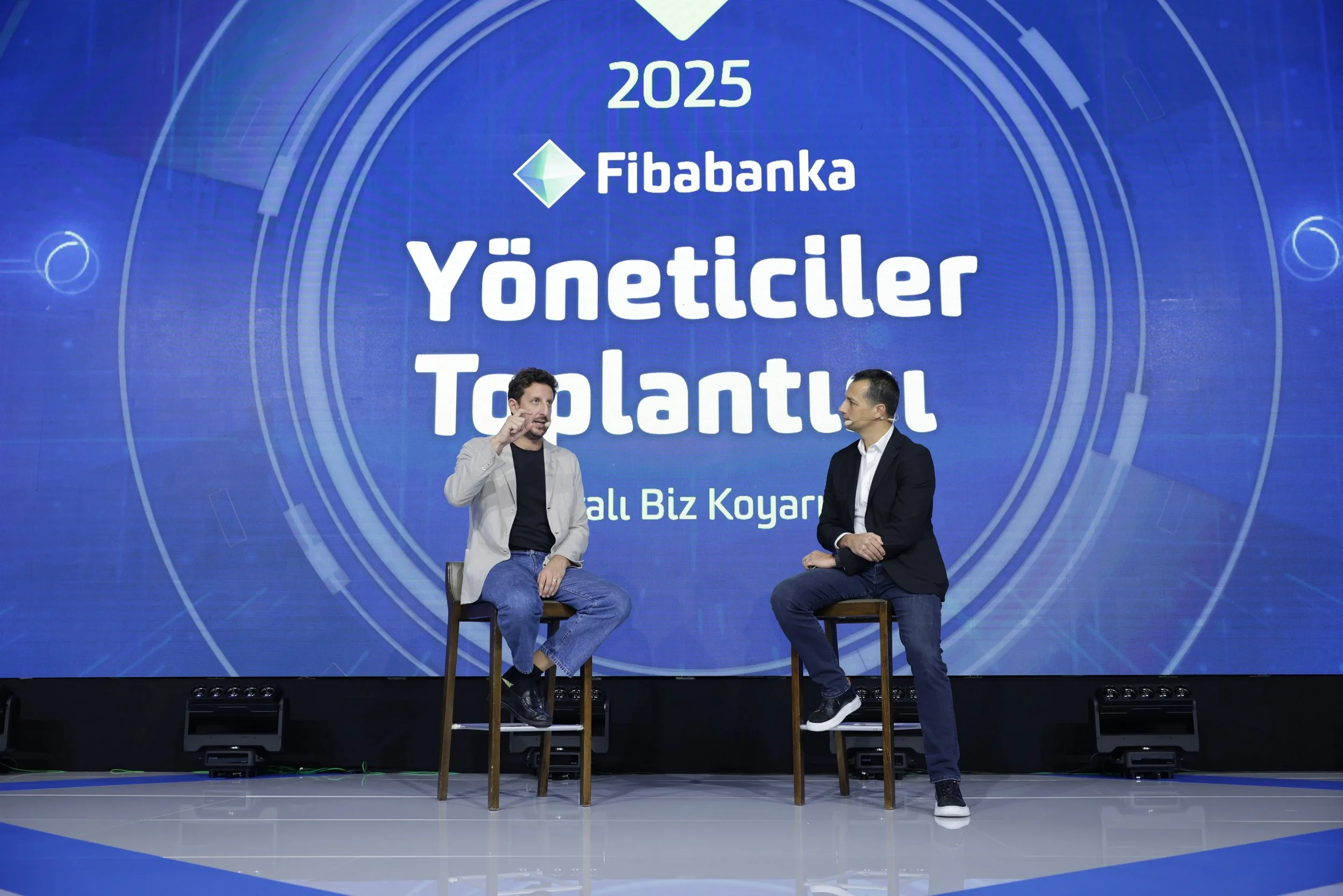
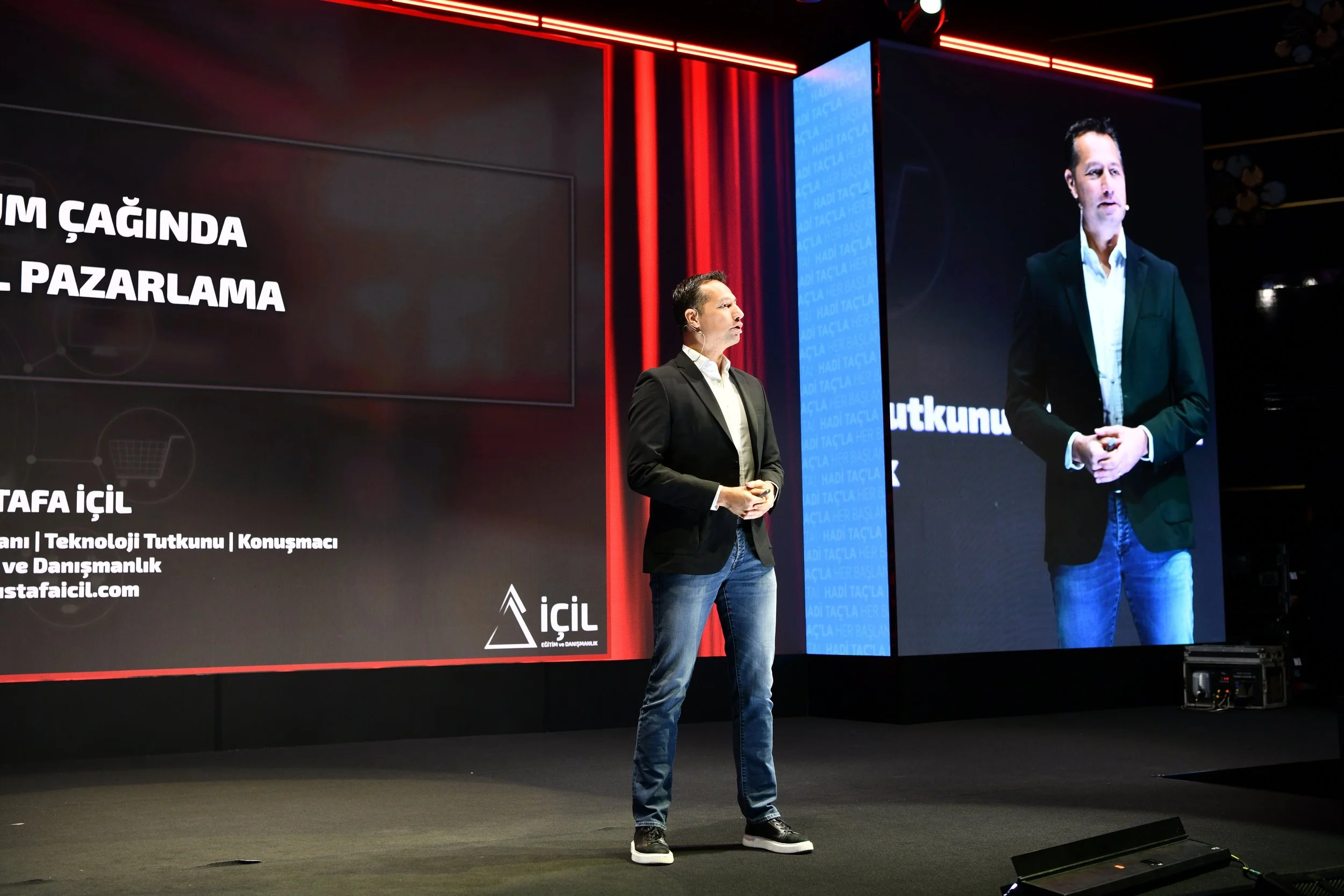
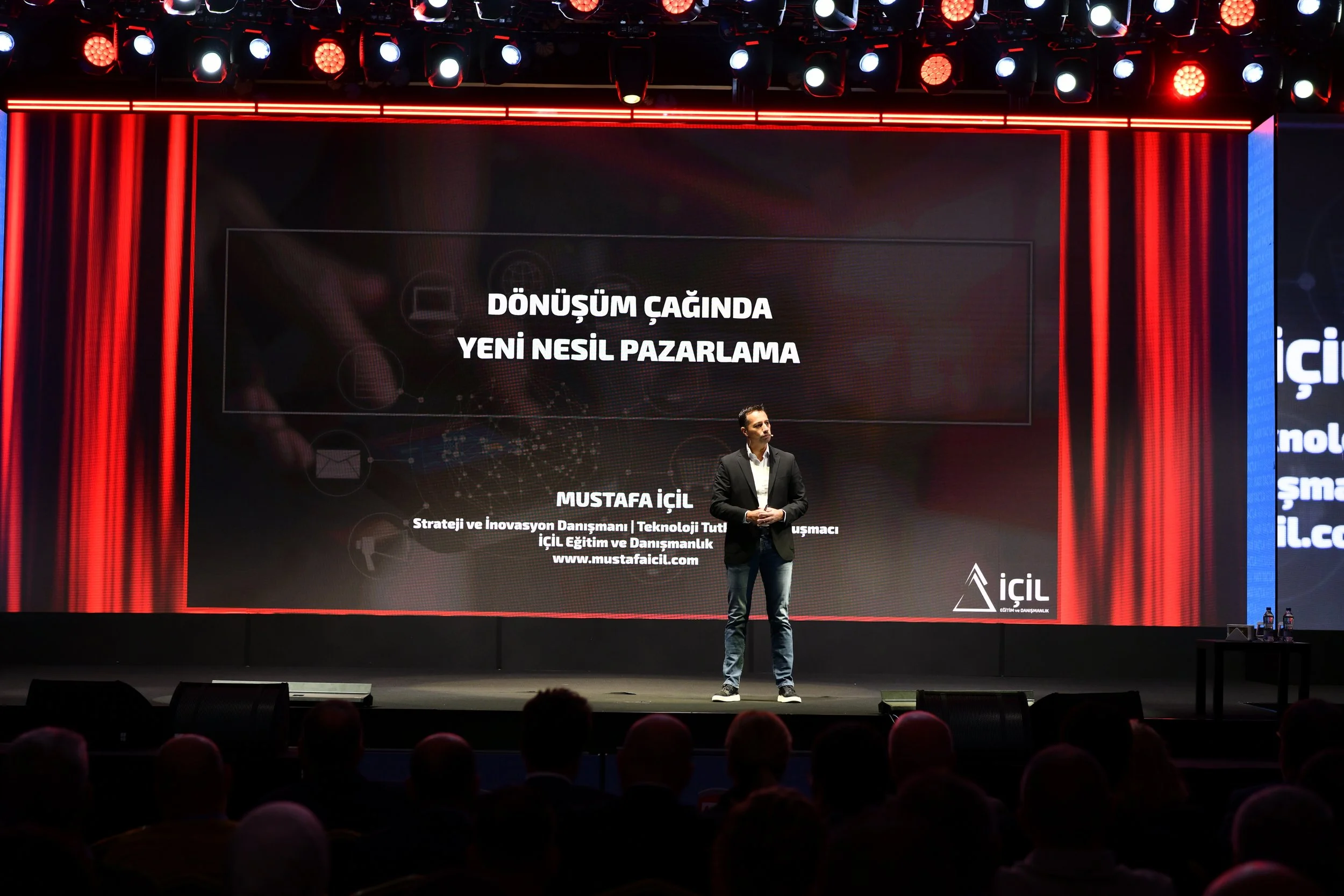
KEYNOTE SPEAKER | AI, TECHNOLOGY, INNOVATION, STRATEGY & LEADERSHIP | FORMER GOOGLE, APPLE & MICROSOFT EXECUTIVE
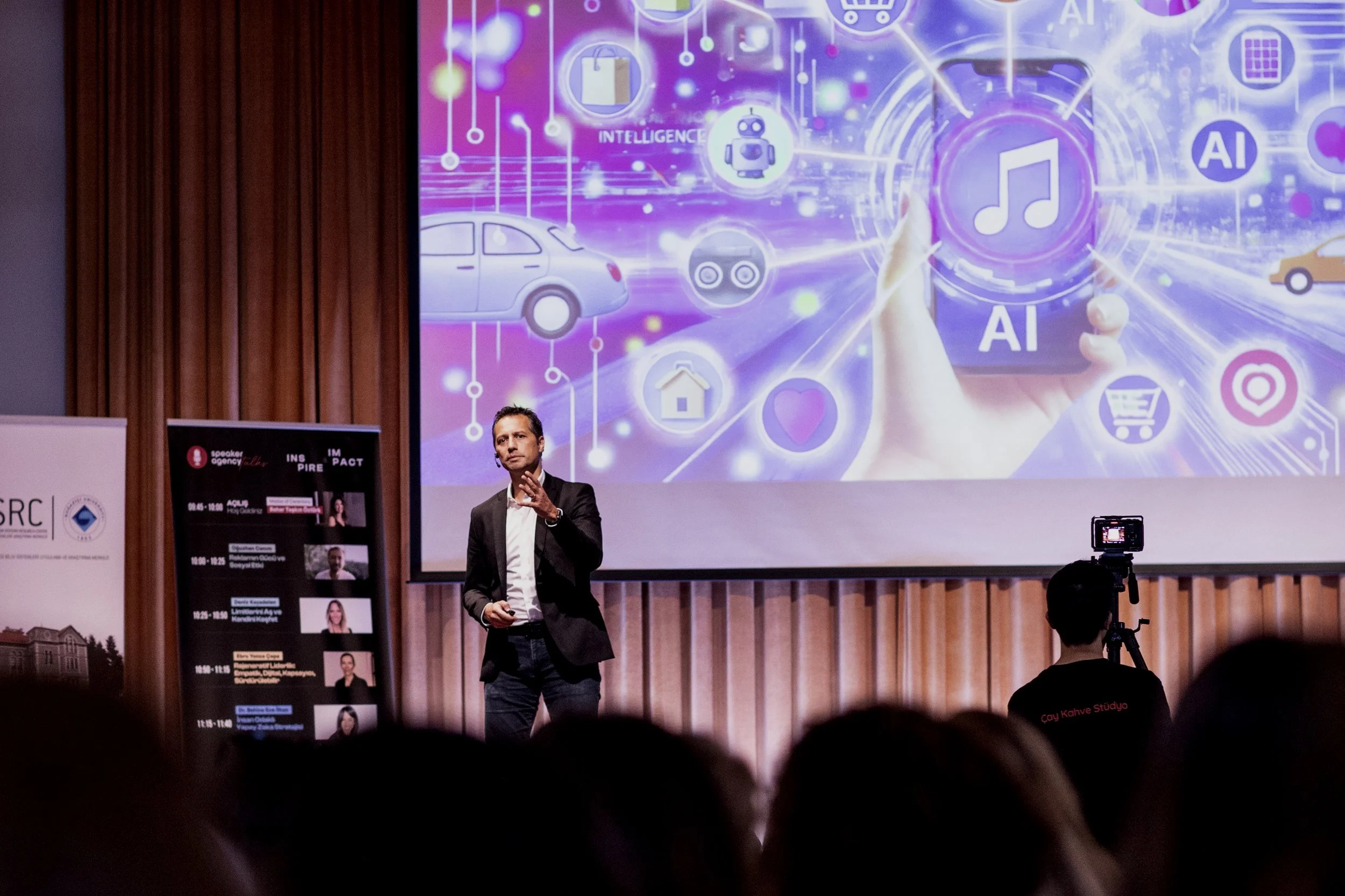
Mustafa İÇİL is a keynote speaker, trainer and consultant specializing in Artificial Intelligence, Technology Trends, Innovation, Business Transformation, Strategy and Leadership. Drawing on more than 30 years of business experience and leadership roles at some of the world’s leading technology companies, including Microsoft, Apple and Google, he helps organizations understand technological change and turn it into tangible business results.
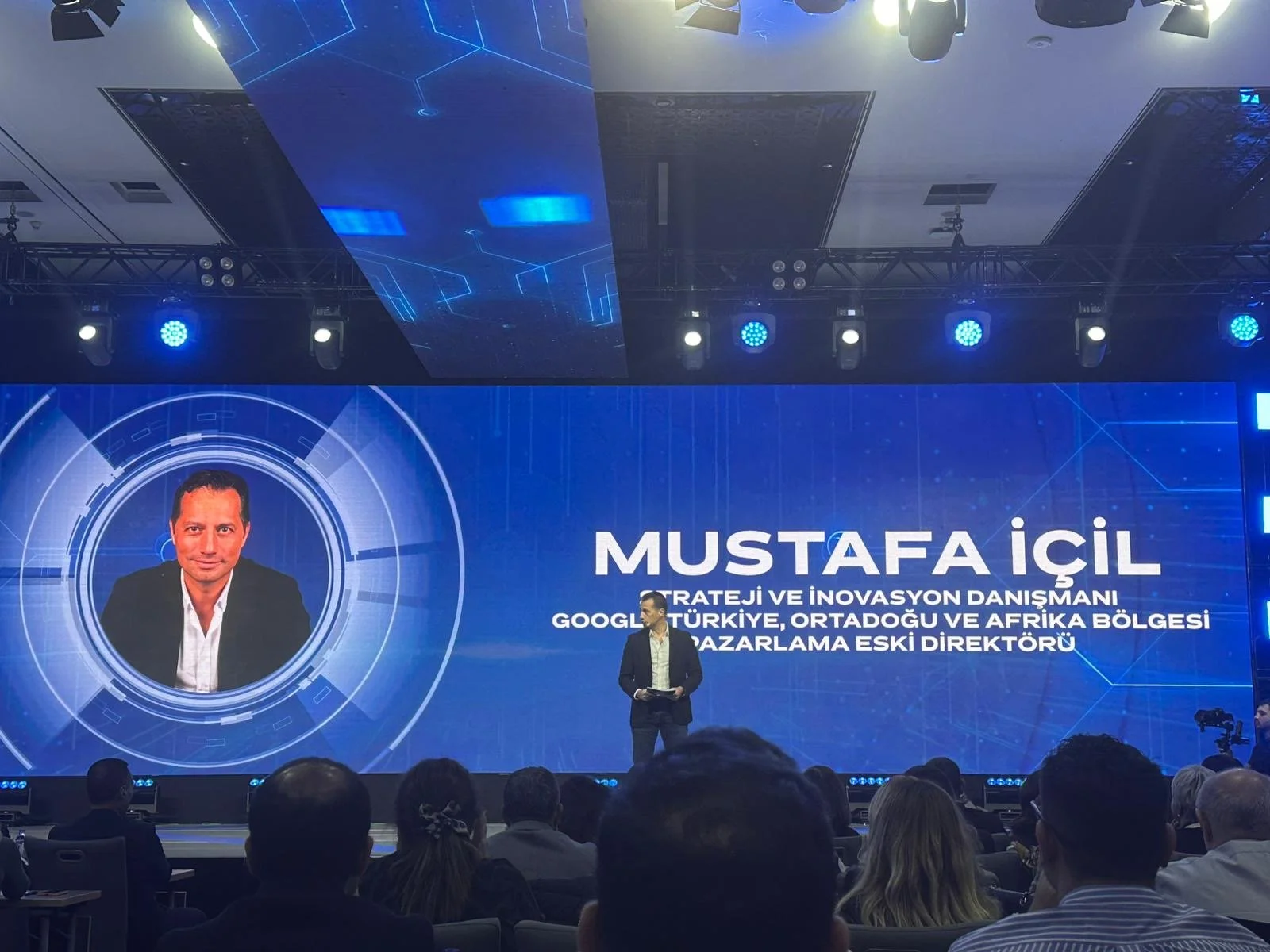
After graduating from Robert College, Mustafa İÇİL completed both his bachelor’s and master’s degrees in Computer Engineering at Boğaziçi University. He held senior sales, marketing and management positions at Microsoft, Apple and Google. As Regional Marketing Director at Google, he was responsible for Turkey, Greece, the Middle East and Africa. During his time at Apple, he was recognized by Capital magazine as one of Turkey’s “Top Marketers.”
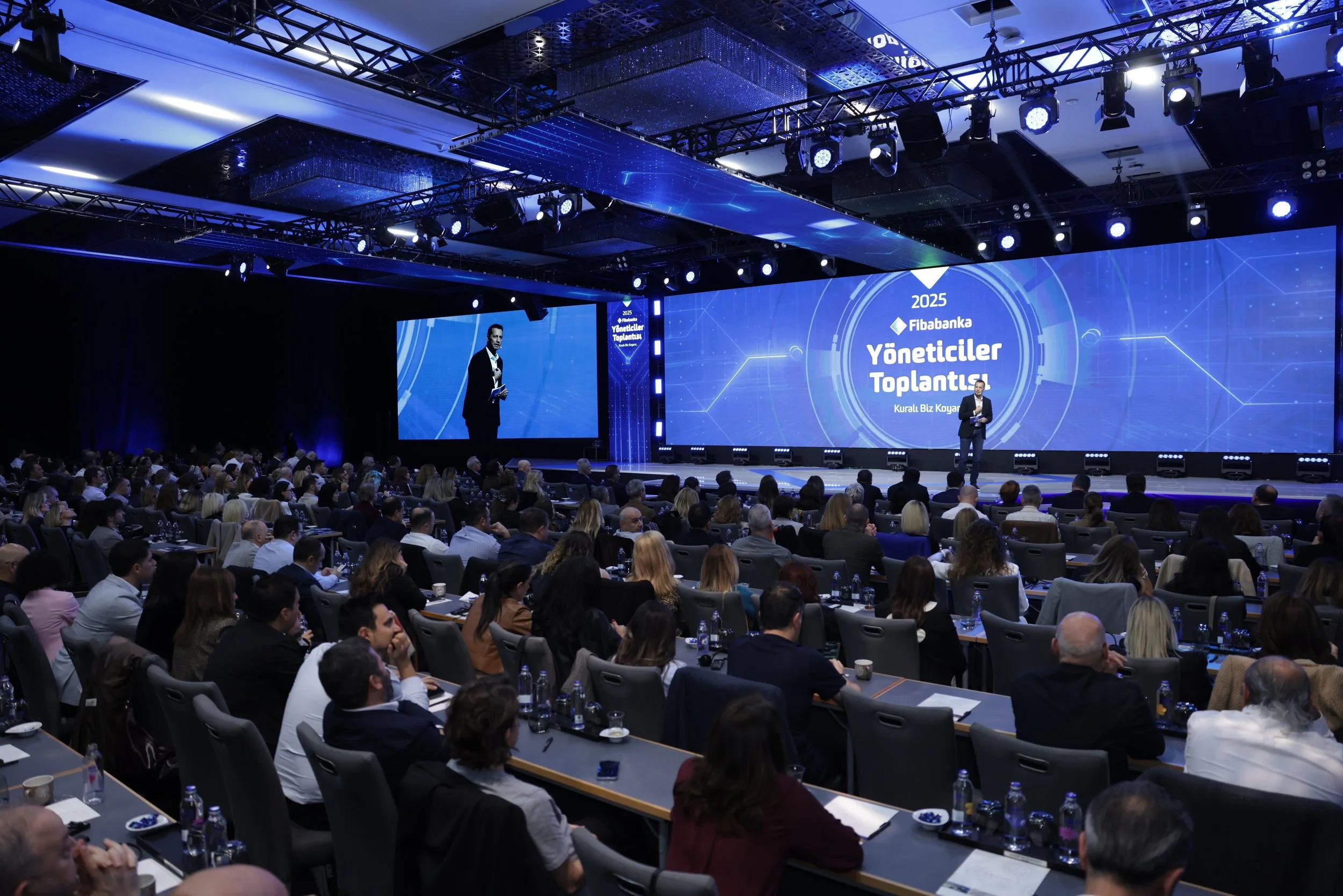
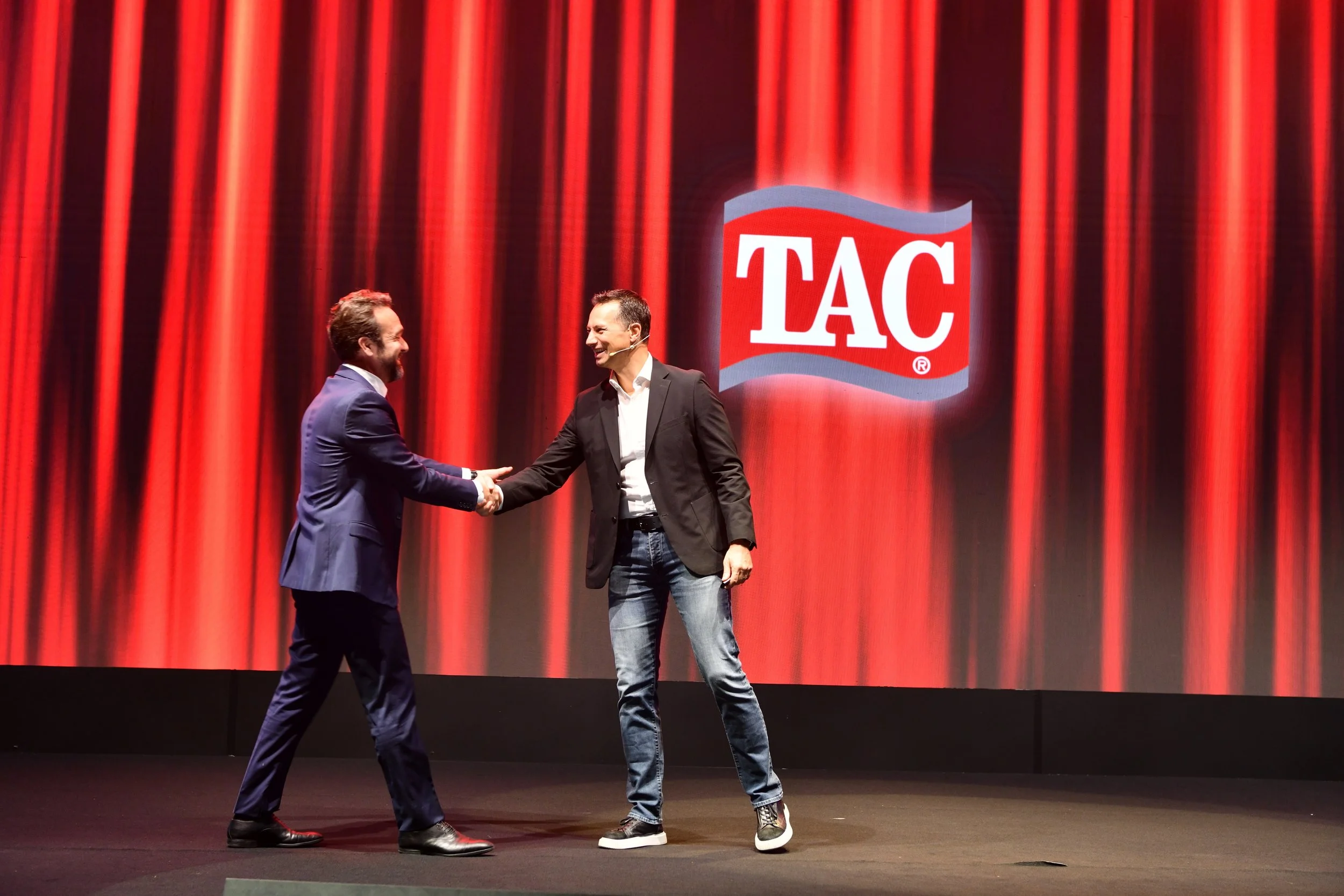
Since founding İÇİL Training and Consulting in 2013, he has worked with hundreds of organizations across a wide range of industries and delivered more than a thousand keynotes and training programs. He has also taught at institutions including Boğaziçi University and TIAS Business School and writes about artificial intelligence, technology and the future of business for Inc. Türkiye.







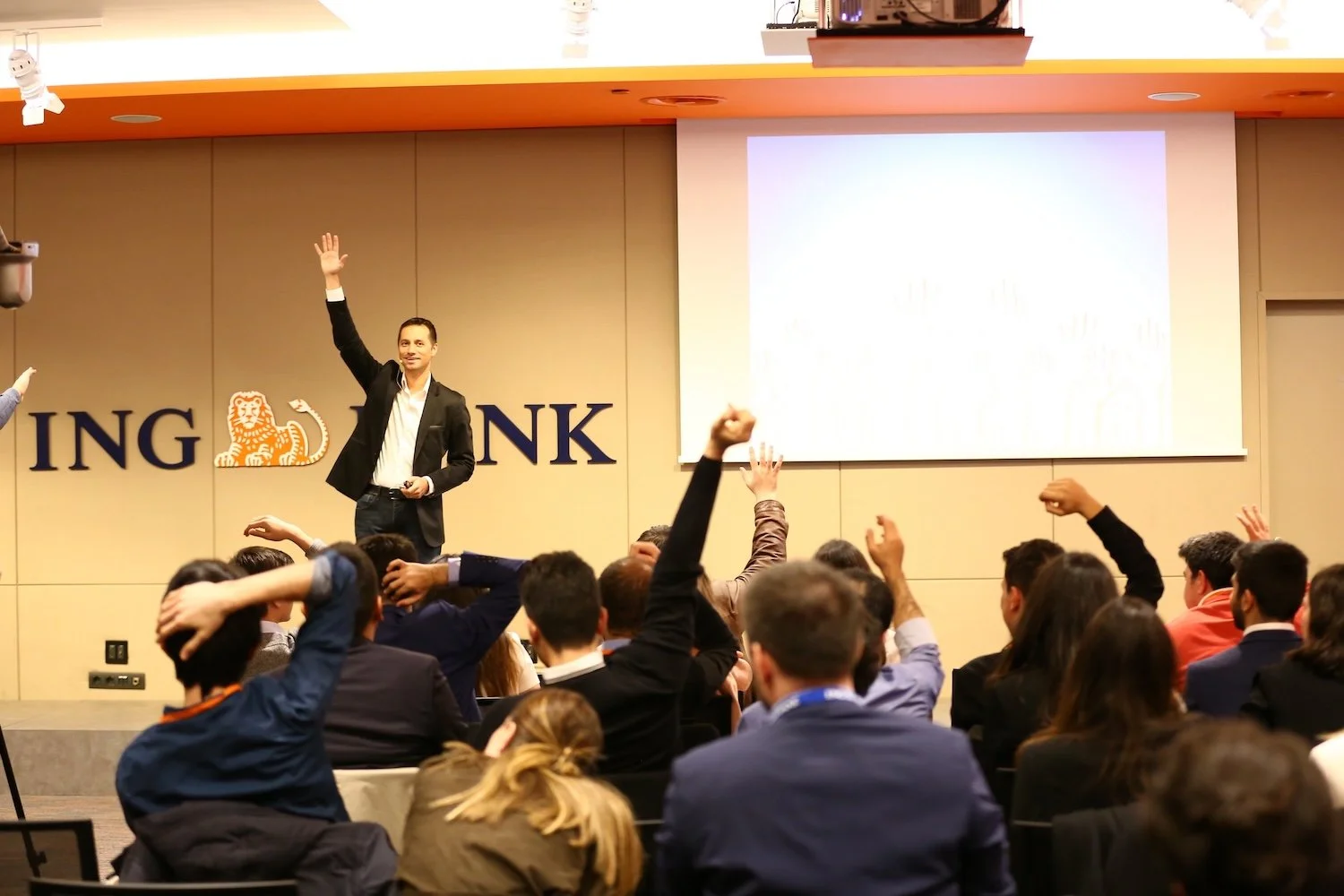
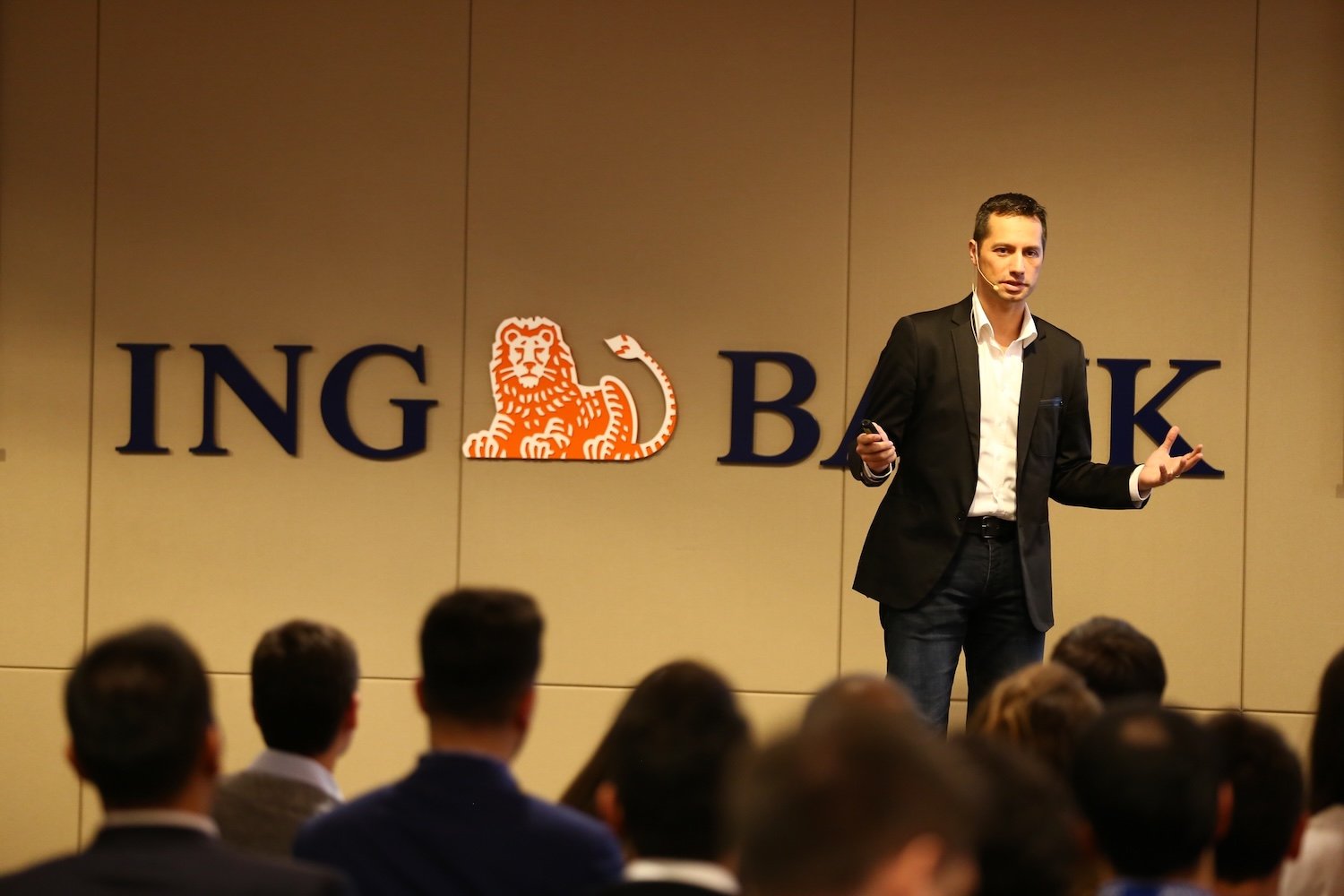


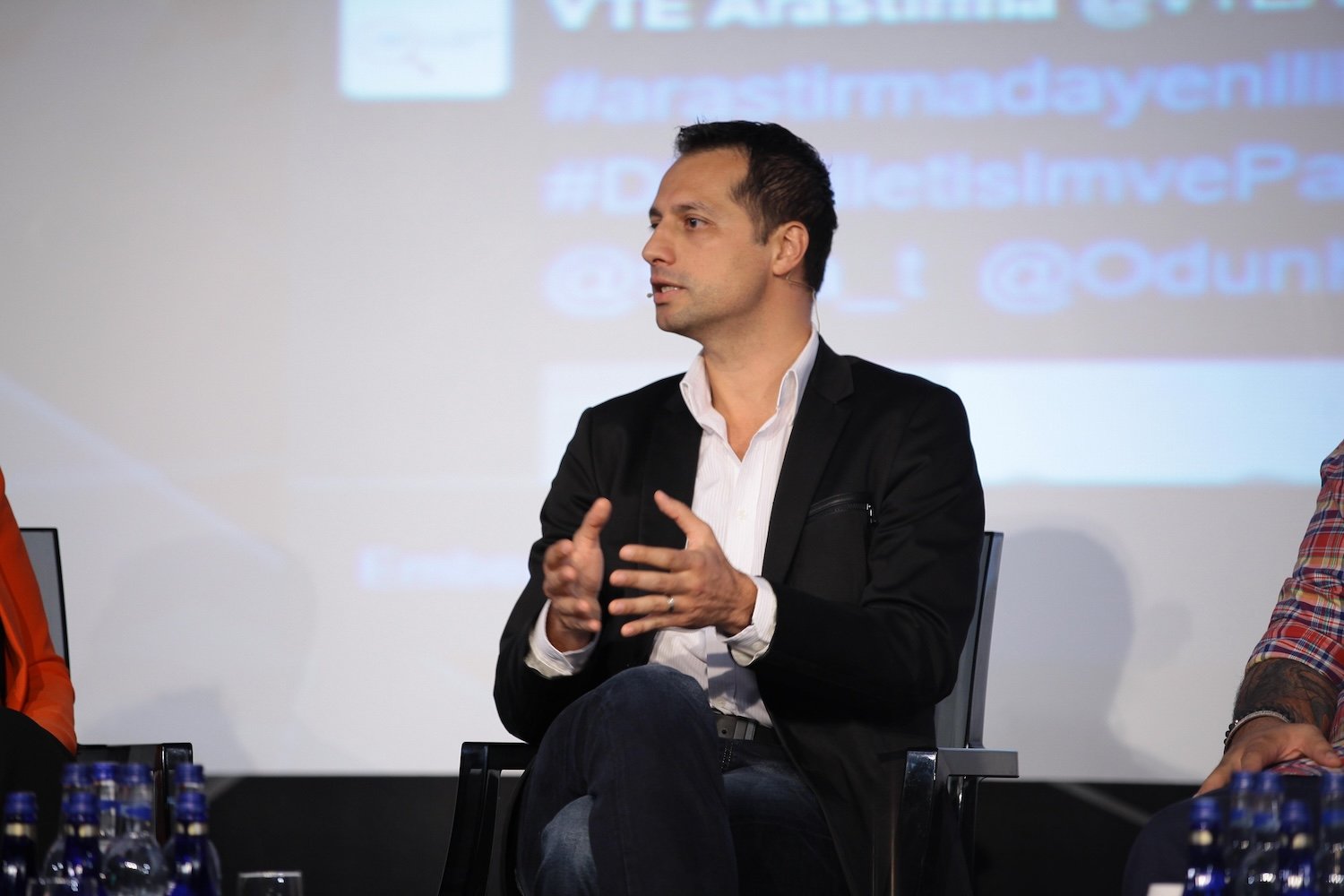


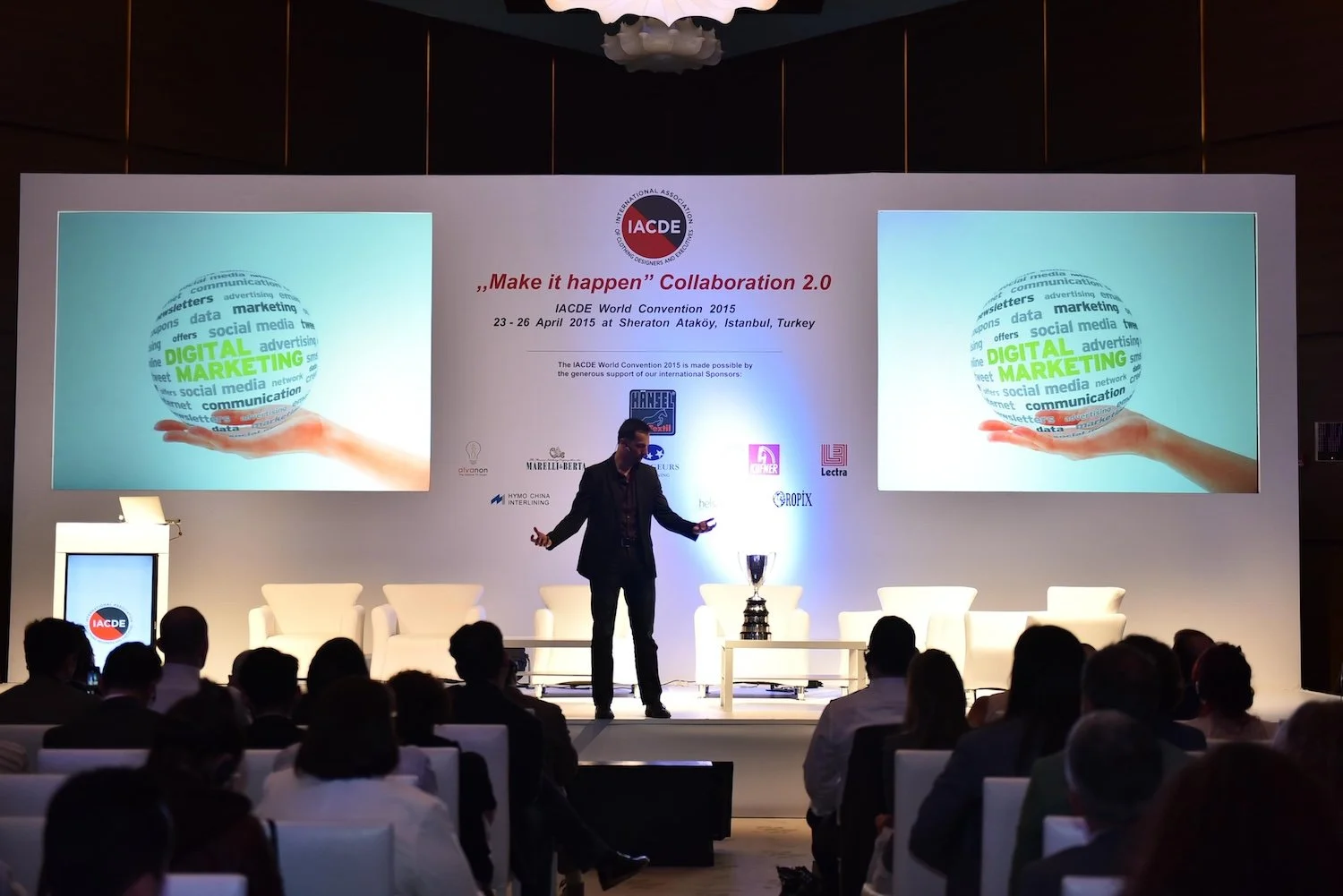


KEYNOTE AND TRAINING TOPICS
THE AGE OF AI AND THE FUTURE OF BUSINESS
KEYNOTE | TRAINING
Artificial intelligence is no longer simply a technology that answers questions, makes predictions or generates content. We are moving toward a new generation of systems that can plan, use tools, interact with other systems and carry out increasingly complex tasks from beginning to end. This evolution is reshaping not only the technologies companies use, but also their processes, organizational structures and the roles people play at work.
This session provides a clear framework for understanding how AI has evolved, where it stands today and how it is likely to transform business in the years ahead. The objective is not simply to introduce new technologies, but to help organizations and leaders understand where the real opportunities and risks lie.
The Evolution of AI: From Rule-Based Systems to Learning Systems
Foundations of Modern AI and Its Integration into Business Processes
Generative AI, Large Language Models and Multimodal Systems
Agentic AI: AI Agents That Plan, Decide and Execute
AI in Business Processes and End-to-End Transformation
Human + AI Hybrid Working Models and Changing Roles
Risks, Ethics, Governance and the Future of AI
TECHNOLOGY TRENDS AND BUSINESS TRANSFORMATION
KEYNOTE | TRAINING
Technological change is no longer simply giving us new tools. It is reshaping industry boundaries, competitive dynamics, customer expectations and entire business models. Technologies that once evolved independently - artificial intelligence, robotics, connected devices, next-generation interfaces and advances in computing - are increasingly becoming interconnected parts of the same transformation.
Rather than examining these technologies in isolation, this session connects the dots and focuses on the bigger picture. We explore which developments are strategically important, how they may reshape industries and business models, and the questions organizations should be asking today to prepare for what comes next.
The Acceleration of Technological Change and the Forces Transforming Business
AI and Agentic AI: The Rise of the Digital Workforce
Robotics, Autonomous Systems and Physical AI
The Internet of Things and the Connection Between Physical and Digital Worlds
Spatial Computing, Next-Generation Interfaces and Human–Machine Interaction
Quantum Technologies, Cybersecurity and the Next Era of Computing
The Impact of Emerging Technologies on Business Models, Competition and Organizations
ENABLING CREATIVITY AND INNOVATION
KEYNOTE | TRAINING
Innovation is not simply about generating creative ideas. Meaningful innovation begins with identifying the right problem, exploring different possibilities, selecting the ideas that can create real value and turning them into action. Technology - and particularly artificial intelligence - is making this process faster and more accessible than ever before.
This session demonstrates that creativity does not have to be left to chance. With the right methods, it can become a systematic capability. We explore the thinking approaches and organizational practices that help individuals and teams generate ideas, evaluate them effectively and turn them into innovations that create tangible value.
What Innovation Is and Is Not: From Creativity to Business Value
Defining the Right Problem and the Real Need
Challenging Assumptions and Developing Different Perspectives
Systematic Creative Thinking and Idea Generation Techniques
Prioritizing Ideas Based on Value, Impact and Feasibility
Turning Creative Ideas into Value Creating Innovations
Building Organizations with a Strong Innovation Culture
STRATEGIC THINKING AND PLANNING
KEYNOTE | TRAINING
Strategy is not a long list of things an organization wants to accomplish in the future. Real strategy begins by clarifying what you are trying to achieve, identifying the fundamental challenge standing in your way and making deliberate choices about where to play, how to win and, equally importantly, what not to do.
This session takes strategic thinking out of complex frameworks and lengthy planning documents and turns it into a practical decision-making process that leaders can use in their everyday work. The goal is not only to create a sound strategy, but to translate strategic choices into clear priorities, measurable outcomes and concrete action.
What Are We Trying to Achieve? Strategic Ambition and Objectives
What Is Standing in Our Way? Identifying the Core Strategic Challenge
Reading Changes in Markets, Competition, Technology and the Future
Where Will We Play? Defining Focus Areas and Priorities
How Will We Win? Competitive Advantage and Strategic Choices
What Will We Not Do? Critical Assumptions, Priorities and Measures of Success
Turning Strategy into Actions
LEADERSHIP IN THE AGE OF AI
KEYNOTE | TRAINING
The fundamentals of leadership remain the same: bringing people together around a common purpose, making sound decisions and building strong teams. But the world leaders are managing is changing rapidly. As AI reshapes decision-making, employee roles, required capabilities and the way organizations operate, the scope of leadership is expanding as well.
This session brings together the timeless principles of effective leadership with the new management challenges created by AI and continuous change. Leaders do not need to become technology developers, but they do need to understand where technology creates value, establish the right division of work between humans and AI, and prepare their people for ongoing transformation.
The Changing Role of the Leader in the Age of AI and Continuous Change
Setting Direction and Making Decisions Under Uncertainty
Creating the Right Division of Work Between Humans and AI
Managing Changing Roles, Capabilities and Workforce Transformation
Building Trust, Motivation and Psychological Safety
Coaching, Feedback and Employee Development
Building Learning, Agile and Change-Ready Organizations
EFFECTIVE PRESENTATION SKILLS
TRAINING
A powerful presentation is about far more than well-designed slides. It requires clarity about what you want your audience to remember, believe or do, the ability to remove unnecessary detail and the discipline to build a compelling narrative around your core message. The presenter’s presence and connection with the audience are just as important as the content itself.
This program covers the full presentation journey, from structuring the content to delivering it on stage. Participants learn how to create presentations that are clearer, more persuasive and more memorable, and how to communicate their ideas with confidence and authenticity.
Defining the Purpose of the Presentation and Understanding the Audience
Identifying the Core Message and Simplifying the Content
Building a Strong Presentation Flow
Using Storytelling to Make Messages Memorable
Effective Visual Design and Use of Slides
Voice, Body Language and Stage Presence
Audience Engagement, Q&A and Managing Difficult Situations
AI-DRIVEN TRANSFORMATION WORKSHOP
WORKSHOP
Creating real business value from AI requires more than simply giving employees access to new tools. The biggest opportunities emerge when organizations rethink their business processes and determine which activities should be performed by people, which by AI, and which can deliver the greatest value through human–AI collaboration.
In this workshop, teams examine their existing processes, identify where AI can create value and systematically prioritize the strongest opportunities. The objective is not to produce a long list of ideas, but to turn selected opportunities into practical business cases with measurable outcomes and concrete next steps.
Establishing a Shared Understanding of AI and Future Trends
Mapping Critical Business Processes and Areas for Improvement
Identifying AI Opportunities Across Business Processes
Redesigning Human and AI Roles
Evaluating Opportunities Based on Strategic Fit, Impact, Feasibility and Risk
Designing the Workflow, Data Requirements and Responsibilities for the Selected Opportunity
Defining Success Measures, Pilot Scope and First Actions
DIGITAL TRANSFORMATION WORKSHOP
WORKSHOP
Digital transformation is not about adding new technologies on top of existing ways of working. It requires organizations to rethink their business models, processes, customer experiences and ways of working by taking advantage of new technological possibilities. Successful transformation therefore begins not with technology itself, but with a clear understanding of the business problem and the value to be created.
In this workshop, we explore the technological and industry changes affecting the organization, identify areas for improvement and develop new transformation opportunities together. The objective is to move beyond idea generation and select the areas with the greatest potential to create business value, then establish a practical framework for action.
Assessing the Technology and Future Trends Affecting the Industry and the Company
Reviewing the Current Business Model, Processes and Customer Experience
Identifying Areas for Improvement and Transformation Opportunities
Developing New Business Model, Process and Experience Ideas
Defining the Role Technology Can Play in Each Opportunity
Prioritizing Ideas Based on Business Impact, Strategic Fit and Feasibility
Creating Initial Actions and a Roadmap for Priority Transformation Areas
INNOVATION WORKSHOP
WORKSHOP
One of the biggest risks of innovation workshops is generating many interesting ideas and then returning to business as usual. A strong innovation process starts by identifying the right opportunity areas and then systematically selecting the ideas that have the greatest potential to create real value.
This workshop brings together different perspectives within the organization to generate new ideas around genuine business needs. Ideas are evaluated against clear criteria, and the strongest ones are developed into actionable concepts. The result is not simply a collection of creative ideas, but a set of tangible opportunities that teams can continue to develop after the workshop.
Identifying Change Trends and New Opportunity Areas
Defining the Problems and Needs That Matter Most
Prioritizing the Most Valuable Problems and Opportunities
Generating New Ideas Using Different Creative Thinking Techniques
Evaluating Ideas Based on Business Value, Impact and Feasibility
Selecting and Developing the Strongest Concepts
Turning Ideas into Action Through Pilots and Concrete First Steps
BLOG ARTICLES
























REFERENCES









































































































































Passwords are one of the few things that have remained unchanged since the internet entered our lives. First, we chose a simple word. Then we were told that wasn't secure enough and that we needed to use at least eight characters. So we added uppercase letters. Lowercase letters. Numbers. Special characters. Later, we learned that we shouldn't use the same password across different accounts. Eventually, we reached the absurd point where we were expected to remember hundreds of different, long, and complex passwords for hundreds of accounts. Of course, we couldn't. Then came password managers. We added SMS verification codes on top of our passwords. Next came authenticator apps.