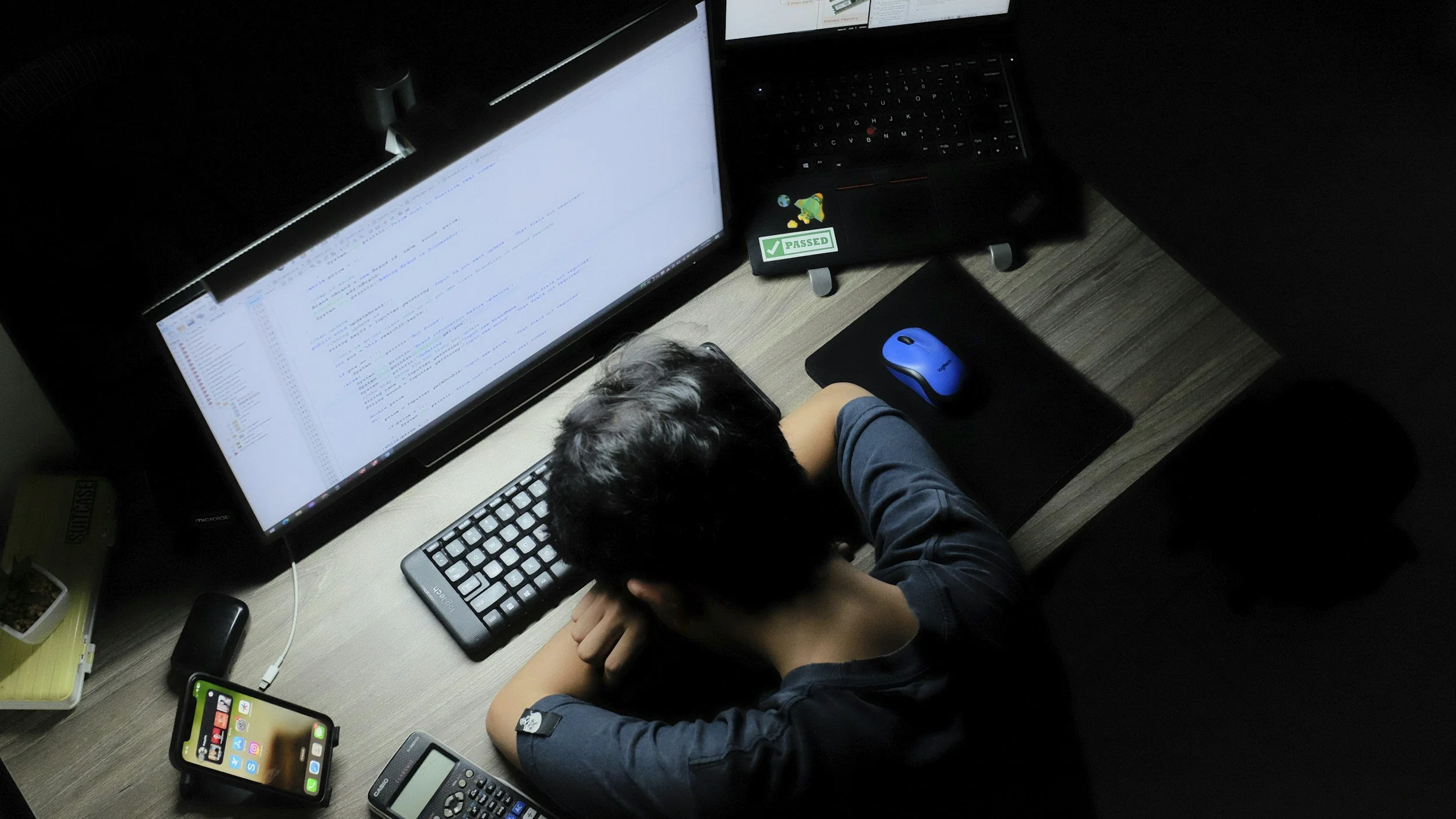
The “Digital Fatigue” Created by Technology
(My article, published in Inc. Türkiye)
There was a time when technology was supposed to save us time. We would work less, get things done faster, and dedicate the remaining time to ourselves. At least, that was the story.
Today, however, most of us end the day feeling the same thing: fatigue. But this isn’t physical exhaustion. It’s more like mental fog, scattered attention, and a constant sense of busyness. We feel as if we’ve done a lot throughout the day, yet when we look back, we question how productive we actually were.
The name of this new condition is Digital Fatigue.
The Cost of Being Constantly Connected
One of the biggest transformations in modern work life is the permanence of “connection.” Work is no longer something that happens only in the office; it travels with us in our pockets, on our computers, on our watches. The moment we wake up, we reach for our phones. Throughout the day, we move between emails, messages, meetings, and notifications. Even when the workday ends, the connection doesn’t; it simply shifts platforms. At first glance, this constant connectivity seems like productivity. But it comes with an invisible cost: mental load.
Our minds are never truly “idle.” They are always on standby - ready to respond, check something, or make a decision. As a result, even if we are not physically tired, we end up mentally drained by the end of the day.
Notifications and Fragmented Attention
Much of the digital world is designed to capture and hold our attention for as long as possible. From social media platforms to work tools, many systems are built to continuously pull us back in.
Each notification creates a small interruption, but their cumulative impact is far greater than we assume. A message, an email, or an alert doesn’t just take a few seconds; it also requires additional effort to regain focus. Considering that we experience dozens, even hundreds, of these micro-interruptions daily, we are being pushed into a mode where uninterrupted focus is nearly impossible. The result: we are constantly busy, but rarely truly productive.
Why Productivity Tools Create Fatigue
The irony is that the very tools designed to make us more productive also contribute to this fatigue. Project management apps, messaging platforms, calendars, task lists… they all exist to simplify our lives. Yet as their number increases, so does the number of systems we must manage. We are no longer just managing our work; we are managing the tools themselves.
A single task may appear across multiple platforms. The same topic may be discussed in different channels. Even keeping track of where information lives becomes a task in itself. Instead of reducing our workload, technology often makes the nature of work more complex.
Decision Fatigue and Invisible Burnout
Another key dimension of digital fatigue is the constant need to make decisions. Which message should I respond to first? Which meeting should I attend? Which task should I postpone? Which information is relevant? Each of these questions seems small. But when we consider that we make hundreds of micro-decisions throughout the day, it becomes clear how quickly our mental energy is depleted.
The result is predictable: as the day progresses, the quality of our decisions declines. We think more superficially, rush through things, and question less. In other words, we don’t just feel more tired, but we also make worse decisions.
The Illusion of “Keeping Up with Everything”
Digital tools also create another illusion: that we can keep up with everything.
Respond to every message, read every email, attend every meeting, stay informed about every development… In theory, it all seems possible. In practice, this effort leads to a constant feeling of falling behind. The problem is not a lack of time. The problem is the unlimited volume of information and demands we are exposed to. This traps us in a loop: endless tasks, unresolved issues, and a constantly postponed moment of relief.
Focus and Simplicity: The New Luxury
Amid all this, an interesting shift is taking place. In the past, speed, access, and connectivity were the ultimate advantages. Today, what is becoming truly valuable is something else: the ability to focus, to think without interruption, to create mental space.
In other words, the new luxury is not time; it is focus.
That’s why some individuals and organizations are consciously moving toward simplification. Using fewer tools, receiving fewer notifications, attending fewer meetings… but creating more time for deep focus. At first glance, this may seem like sacrificing productivity. In reality, it often produces the opposite effect: fewer but more meaningful outputs.
Redefining Our Relationship with Technology
Digital fatigue is not a failure of technology; it is a result of how we use it. Technology is still a powerful lever. But when used unconsciously, it can become a burden rather than a benefit. The critical point is not to reject technology altogether, but to rethink our relationship with it.
Which tools do we truly need? Which notifications actually create value? Which activities are just habits? Honest answers to these questions are the first step toward reducing digital fatigue. Has technology made life easier? Yes, it has. But it has also accelerated the pace of life, increased expectations, and amplified our mental load.
Today, the issue is not using more tools, moving faster, or doing more. The real question is understanding what we do and why we do it. Because in the future, the advantage will not belong to those who work the most—but to those who can focus the best. And perhaps this is the greatest paradox of the digital age: no matter how advanced technology becomes, one of our most valuable skills will still be the ability to remain human.
Mustafa İÇİL